Willa Wanders Go-To Favorite Everyday Art Papers
The exact papers I use when I make art, why I chose them and where I get them.
I have loads and loads of paper. But there are certain papers that I use over and over again when I create art (watercolor painting, mixed media collage art and art journaling).
Sulfite Paper
Great for:
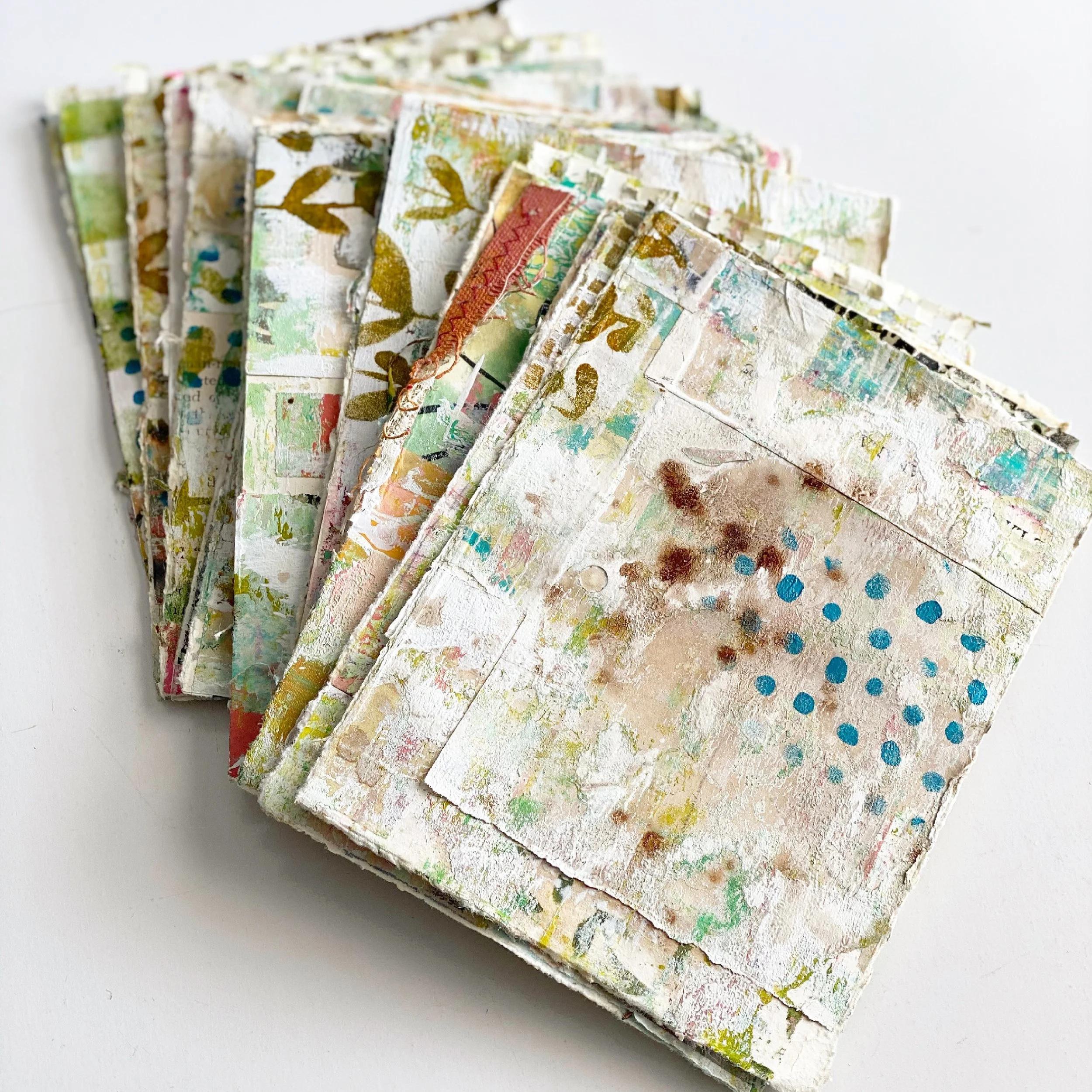
painted paper collage sheets
journal pages
non-serious watercoloring
drawing
gelli printing
brayer clean off sheets
handmade envelopes
experimenting without worrying about “wasting” good paper
Where I get it:
Tru-Ray Sulfite Construction Paper on schoolspecialty.com
Please note: Sulfite paper is NOTHING like the construction paper that you remember from the art room in grade school! Don’t let the name fool ya!
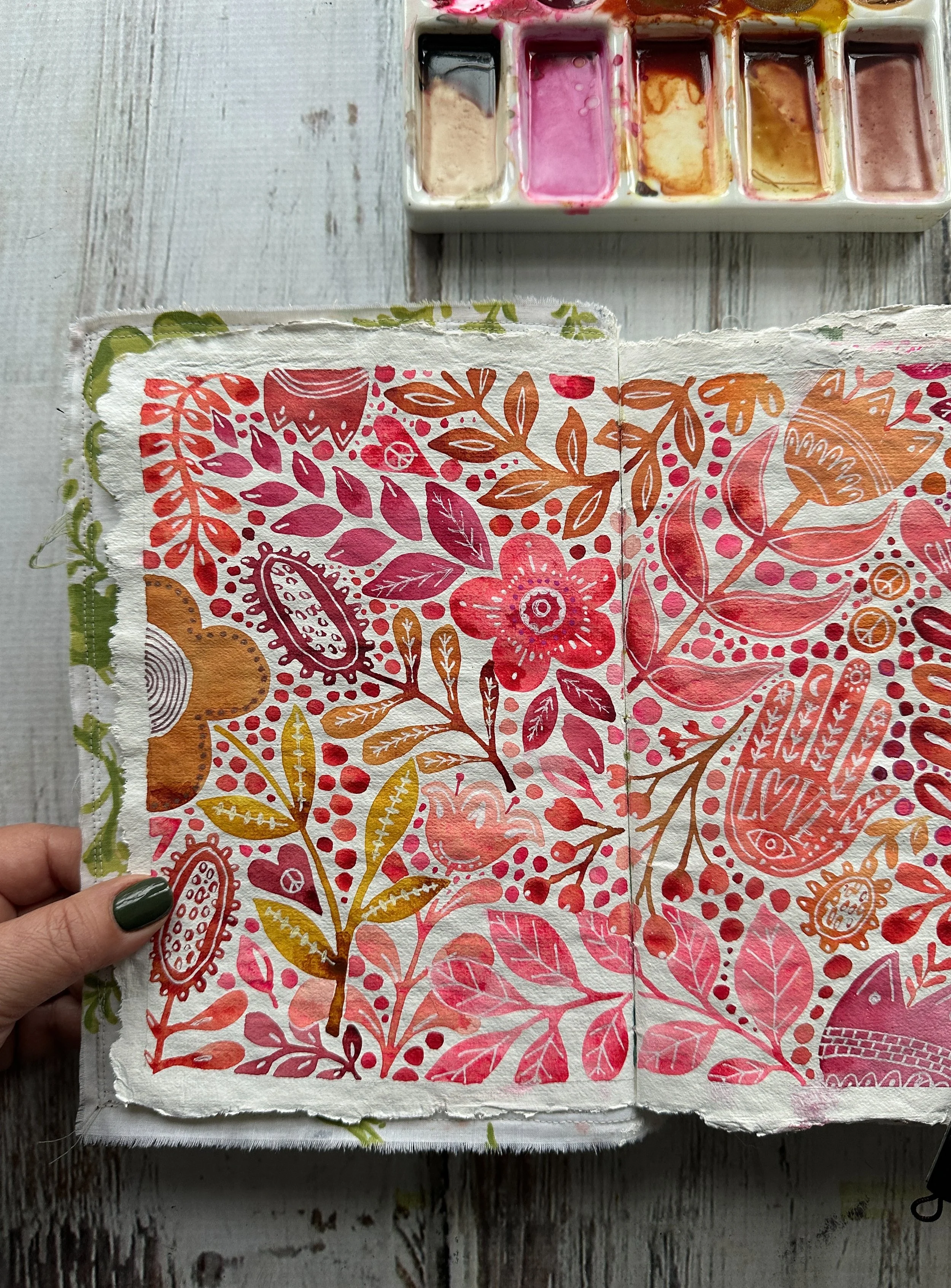
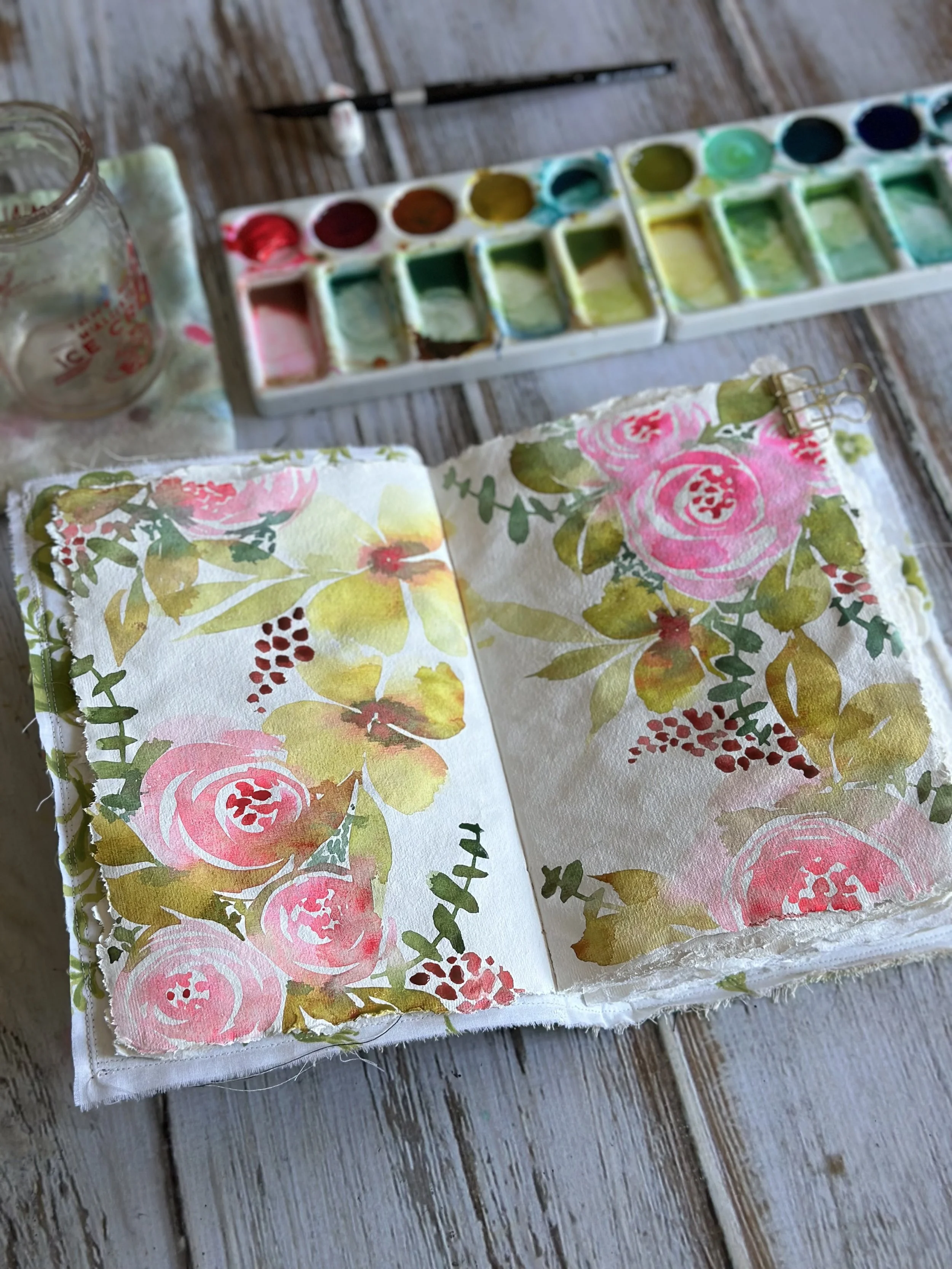
Handmade Watercolor Paper
Great for:
mixed media art journal pages
watercolor journal pages, but only because of the deckle edge
mixed media art
handmade journals and books
loose, expressive painting
projects where texture and imperfection are part of the finished piece
showing off beautiful deckled edges
artwork where you want the paper itself to feel special and handmade
Where I get it:
Leather Village Paper on Amazon, Khadi Paper
Disclaimer: I don’t recommend these papers on their own for watercolor painting. For tips and tricks on how I use them in my Watercolor for Relaxation journals, I invite you to join us in the classroom!
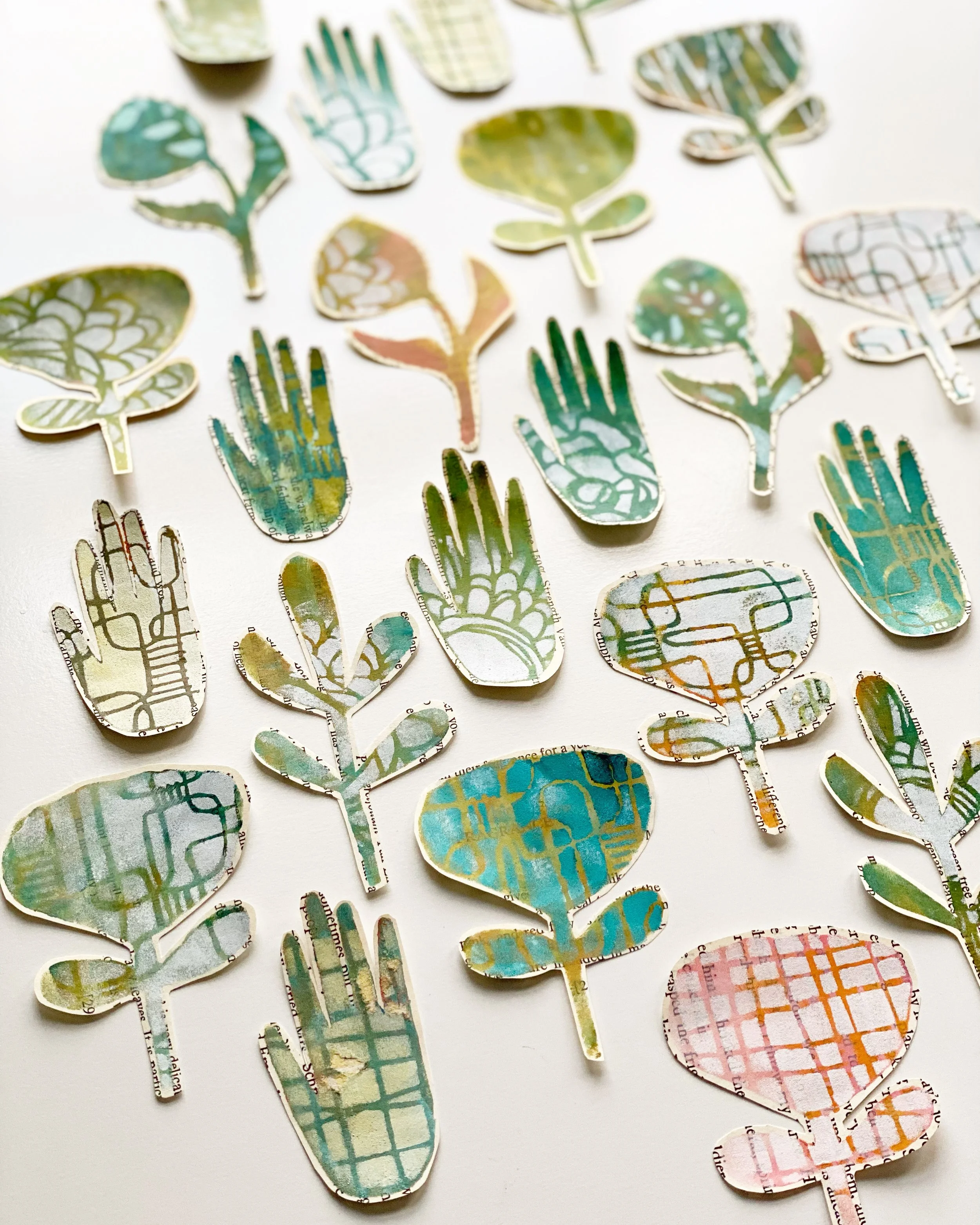
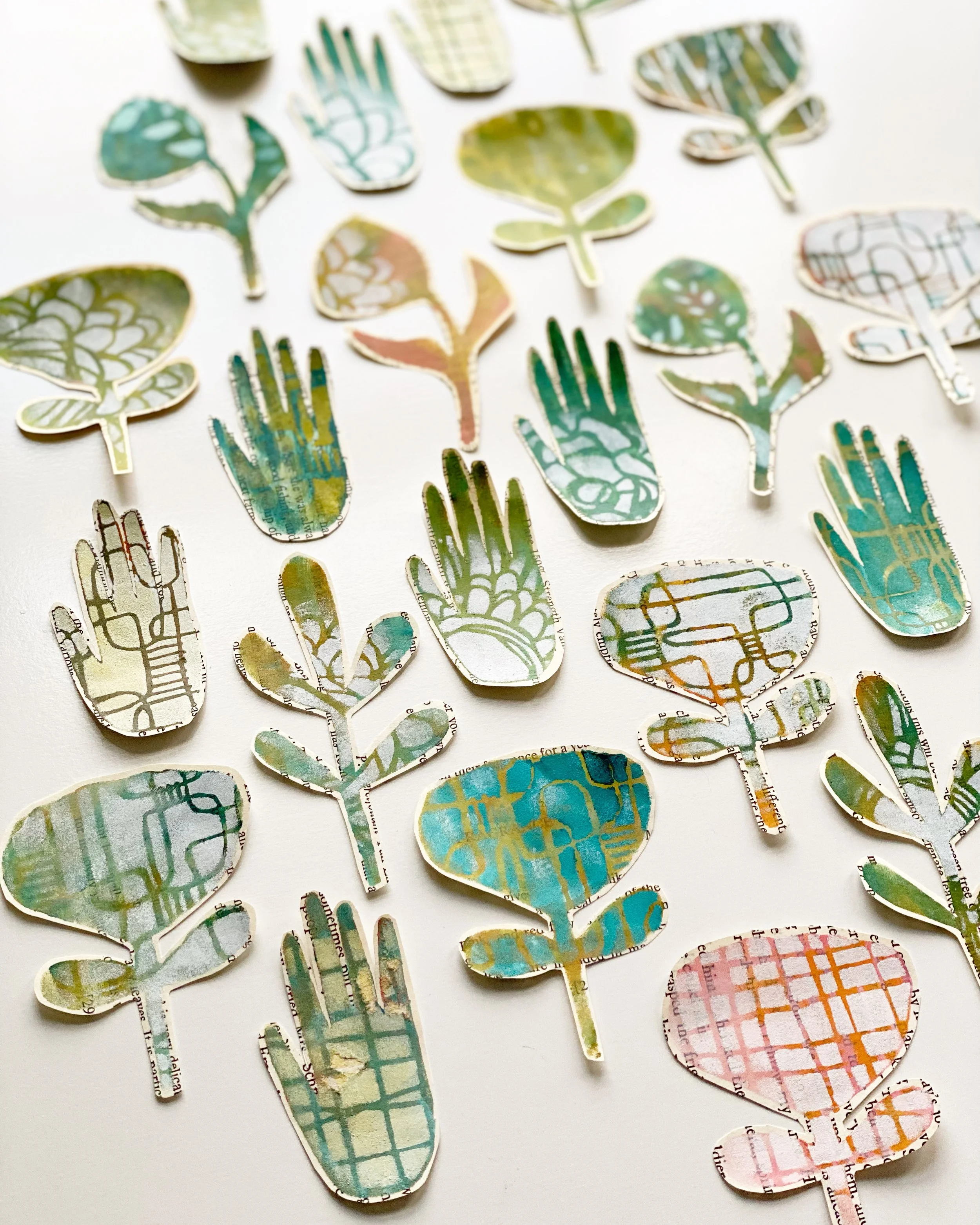
Old Book Pages
Great for:
collage
painted collage papers
adding text and pattern to backgrounds
creating neutral layers between colorful papers
drawing and doodling on
stamping
mark making
gelli printing
tearing into strips, shapes, and small collage elements
punching or cutting into shapes
fussy cutting interesting words, illustrations, diagrams, and typography
adding age, history, and visual texture to mixed media work
using as an inexpensive surface for experimenting with paint and other media
Old book pages are particularly useful in mixed media because the existing text essentially functions as a built-in pattern, and the paper can be painted, drawn on, torn, cut, layered, and collaged.
What I’d look for: older books with creamy or yellowed pages, interesting typefaces, dictionaries, encyclopedias, old textbooks, foreign-language books, illustrated books, nature books, and anything with unusual diagrams or typography. I’d especially choose books that are damaged, outdated, or otherwise headed for disposal—much easier psychologically for those of us who still occasionally think, OMG AM I REALLY CUTTING UP A BOOK?
Where I get it:
thrift stores
library book sales
used bookstores
estate sales
garage and yard sales
flea markets
my own bookshelves
friends and family who are getting rid of books
free or inexpensive book bins
damaged or discarded books that are no longer useful as reading copies
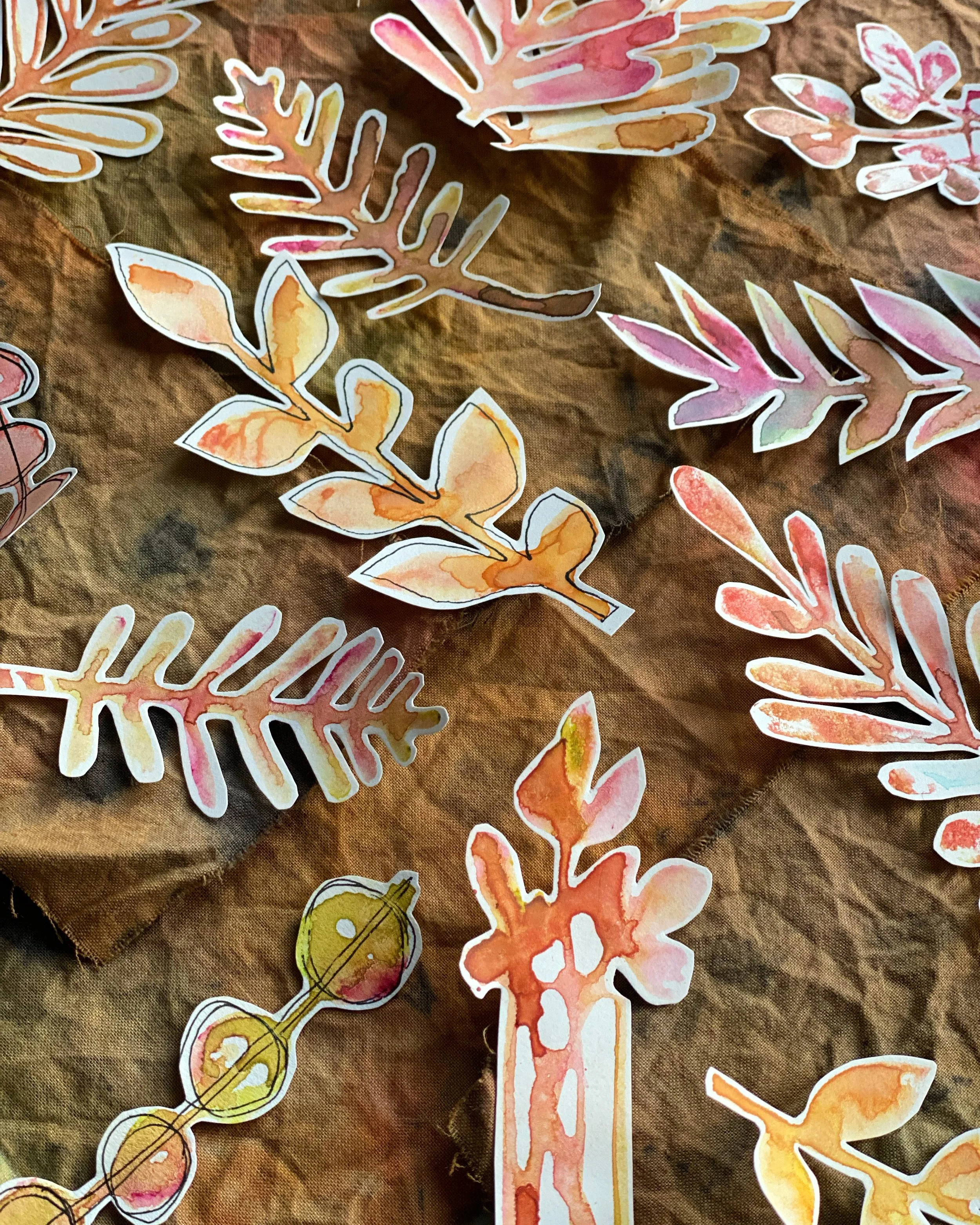
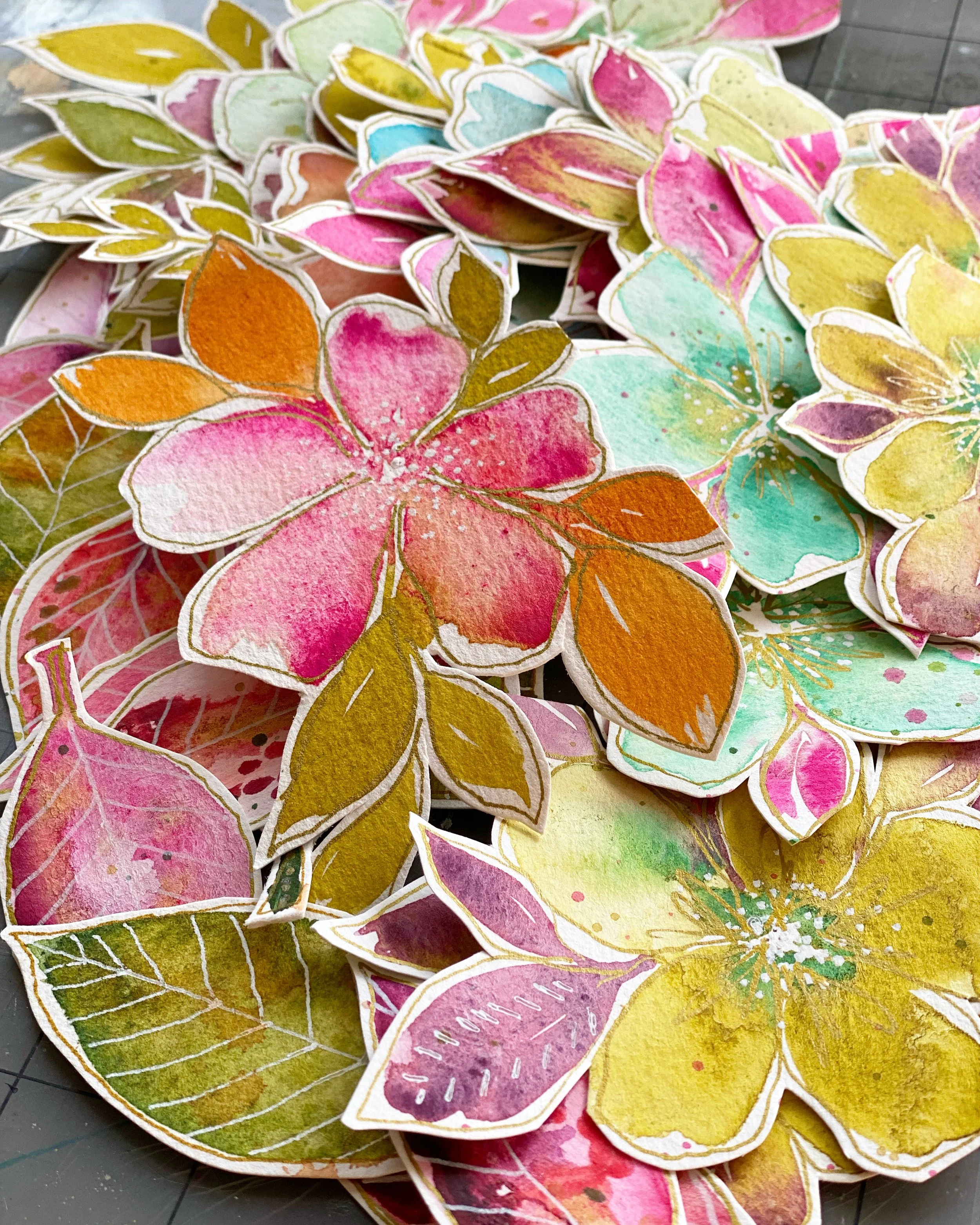
Arches 90 pound Cold Pressed Watercolor Paper
Great for:
watercolor fussy cuts
Where I get it:
Deli Paper
transparent collage papers
brayer wipe off sheets
Where I get it:
HP Premium Printer Paper
Why printer paper? As I've started creating more digital collage fodder, I've discovered that digital and handmade fodder don't have to live in separate worlds. Sometimes I create something digitally, print it out, cut or tear it up, and put it right back into my mixed media work. And sometimes a printed sheet of collage fodder is simply the most functional thing to use!
Great for:
printing digitally created collage fodder on an Epson Ecotank printer
printing scanned or photographed artwork to reuse in new work
creating multiples of a favorite piece of handmade fodder
situations where a printed piece of fodder is simply the most functional option for the project
Where I get it:
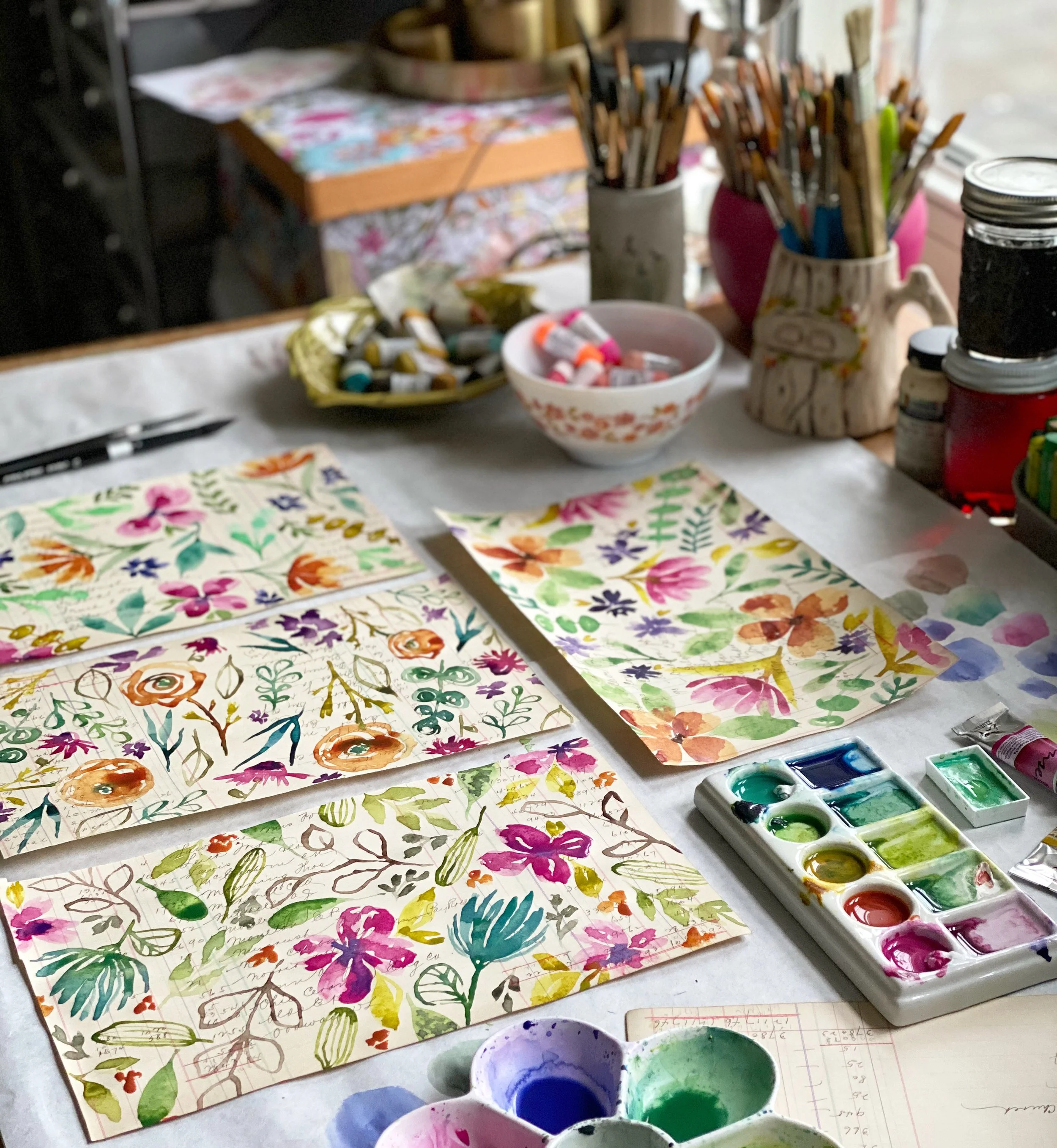
Vintage Ledger Paper
“Vintage Ledger Paper” can mean wildly different things:
What I look for: I love ledger paper with handwritten entries, interesting numbers, ruled lines, grids, stamps, and beautifully aged paper. I especially love pieces where the original marks are still visible enough to become part of the composition.
Really old ledger paper can be fragile. If a sheet is brittle, I’d use it primarily for collage rather than expecting it to withstand lots of wet media, folding, or handling.
Great for:
collage
backgrounds and foundation layers
creating neutral areas within colorful mixed media work
adding vintage handwriting, numbers, lines, and grids to a composition
drawing and mark making
stamping
adding paint or washes while allowing the original writing and lines to show through
layering underneath transparent or translucent collage papers
adding contrast between structured lines and loose, organic marks
incorporating authentic vintage ephemera into art journals and handmade books
Where I have sourced Vintage Ledger Paper:
flea markets
vintage paper and ephemera sellers-there are accounts on Instagram and groups on Facebook
Etsy
eBay
Paper is the foundation of much of the art that we create at Willa Workshops!
Affiliate Disclosure: Some of the links in this guide are Amazon affiliate links. If you purchase through one of these links, I may earn a small commission at no additional cost to you. Thank you for supporting my work and helping me continue creating free tutorials and resources for the creative community.